Traffic management in Zlín: the city launches ITS development with C2X elements
- Articles and technical information
- News
- Articles
 The statutory city of Zlín is implementing an ambitious project to modernise its intelligent transport system (ITS), which is aimed at increasing safety, traffic flow and the effective preference of public transport vehicles and the integrated rescue system. The project is financed under the Transport 2021–2027 programme of the State Transport Infrastructure Fund. It is also one of the city's largest investments in transport technology, with an estimated public contract value of CZK 260 million excluding VAT.
What the project will bring
The main objective is the complete modernisation of the city's intelligent transport infrastructure. This includes the introduction of a cooperative intelligent transport system (C-ITS) using C2X (Car-to-Everything) technology, which enables communication between vehicles, infrastructure and control systems. This will make it possible to better optimise traffic flows, speed up responses to emergencies and ensure priority for public transport and emergency services vehicles at intersections.
The modernisation includes:
- the reconstruction and digitisation of traffic light signalling devices,
- development and implementation of a central traffic control centre,
- connection of the system to public transport vehicles and emergency services,
- deployment of C2X/V2X communication via RSU and OBU units, introduction of tools for measuring and analysing traffic flows.
C‑ITS technology supplied by Herman Technologies
The C‑ITS part of the project is provided by Herman Technologies, which not only supplies key elements of the cooperative system, but also handles the overall architecture of the C‑ITS solution – from on-board units to the central backend and their integration into the urban infrastructure. The architecture design was part of the overall project.
The components supplied include:
- OBUs (On Board Units) – units installed in vehicles (OBUs or RVUs) that enable communication between the vehicle and the infrastructure.
- RSU (Road Side Units) – units located on transport infrastructure that function as communication and information nodes and are connected to traffic light controllers.
- C‑ITS Back Office (Anbos) – a system for monitoring, configuring, distributing and processing C‑ITS messages.
- C‑ITS Backend – part of the Anbos system responsible for the distribution, processing and security signatures of C‑ITS messages.
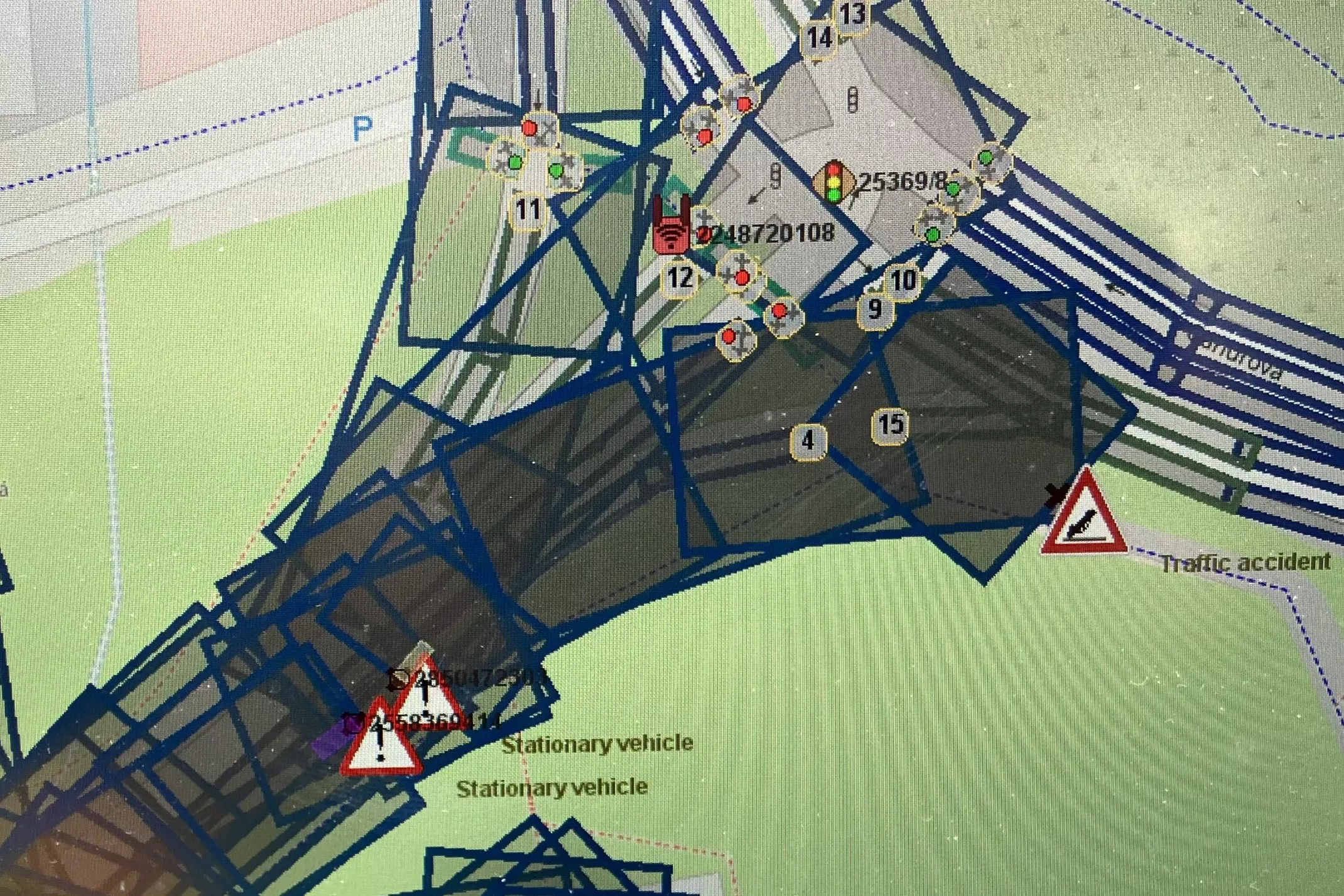
- V2Vis – a mobile visualisation tool connected to the OBU, enabling the display of DENM warnings, SPATEM signal plan information, GLOSA recommended speeds, surrounding events and IZS/MHD preferences. It is used by drivers and the city to test, validate and present the entire C‑ITS system.
These components form the entire C-ITS system, including support for hybrid communication, safety standards, message transmission according to C-ROADS 2.2, and full integration with city systems and other servers.
 Implemented scenarios (use cases)
The study defines dozens of scenarios that will be implemented as part of the project, for example:
- preference for public transport and emergency services vehicles at intersections,
- warnings of traffic accidents, traffic jams, slippery roads, people on the road,
- GLOSA – recommended speed for passing through a green light,
- informative texts and symbols,
- warnings about road works,
- passage of winter maintenance vehicles,
- traffic data collection (Probe Vehicle Data).
Advanced system options
- The system enables the automatic creation of warning messages based on camera detection, NDIC sources, Waze, etc., thanks to its close integration with the city's traffic information centre (DIC).
- RSUs function as new-generation traffic detectors that capture C-ITS messages from vehicles in the vicinity. This provides the DIC with information of a quality that was previously unattainable.
- OBUs and RSUs support message forwarding via the C-ITS Back Office, thus ensuring coverage even beyond the direct range of the RSU.
- Anbos enables detailed configuration of units, including the creation of MAPEM messages and control of security parameters.
Scope and progress of the public contract
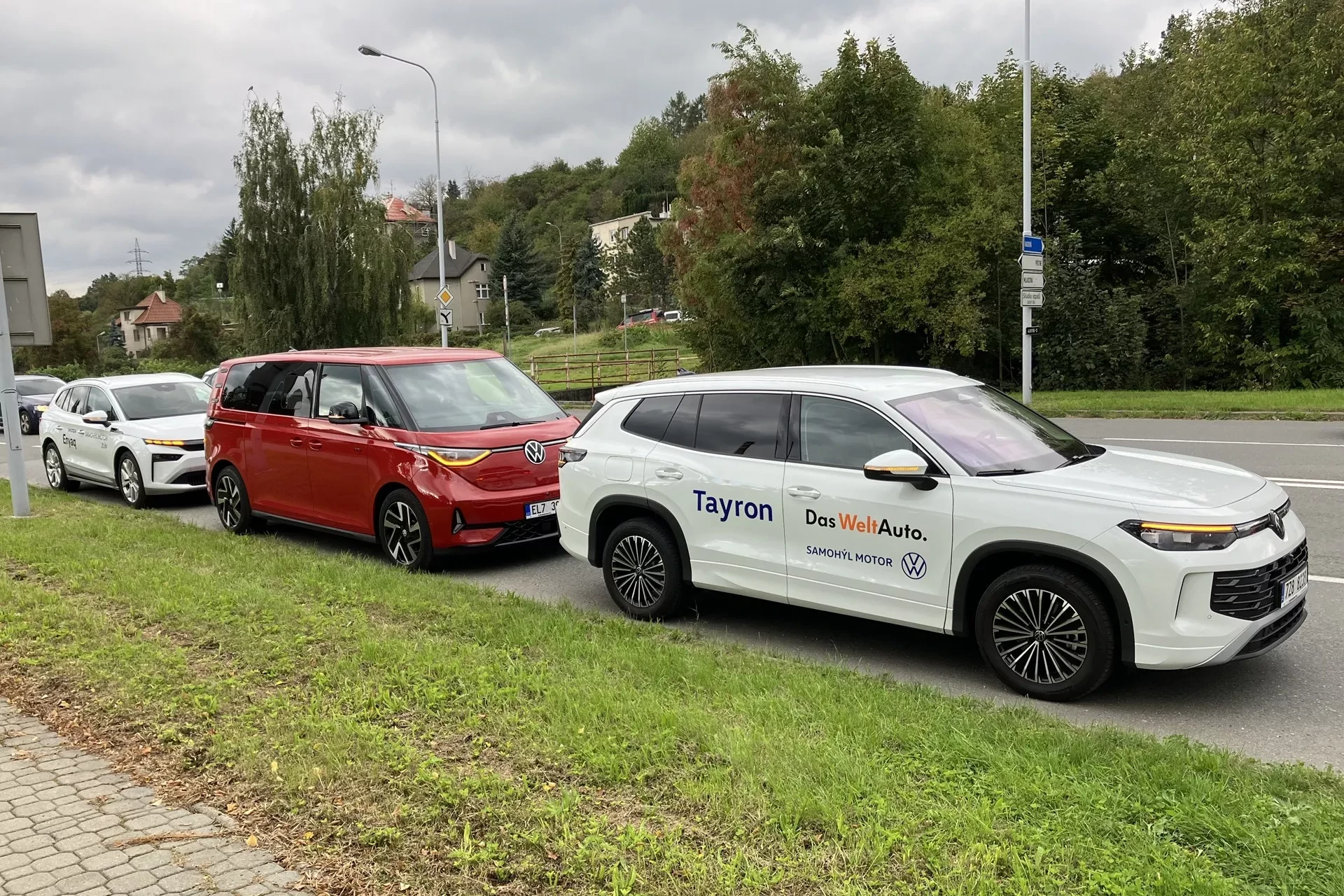
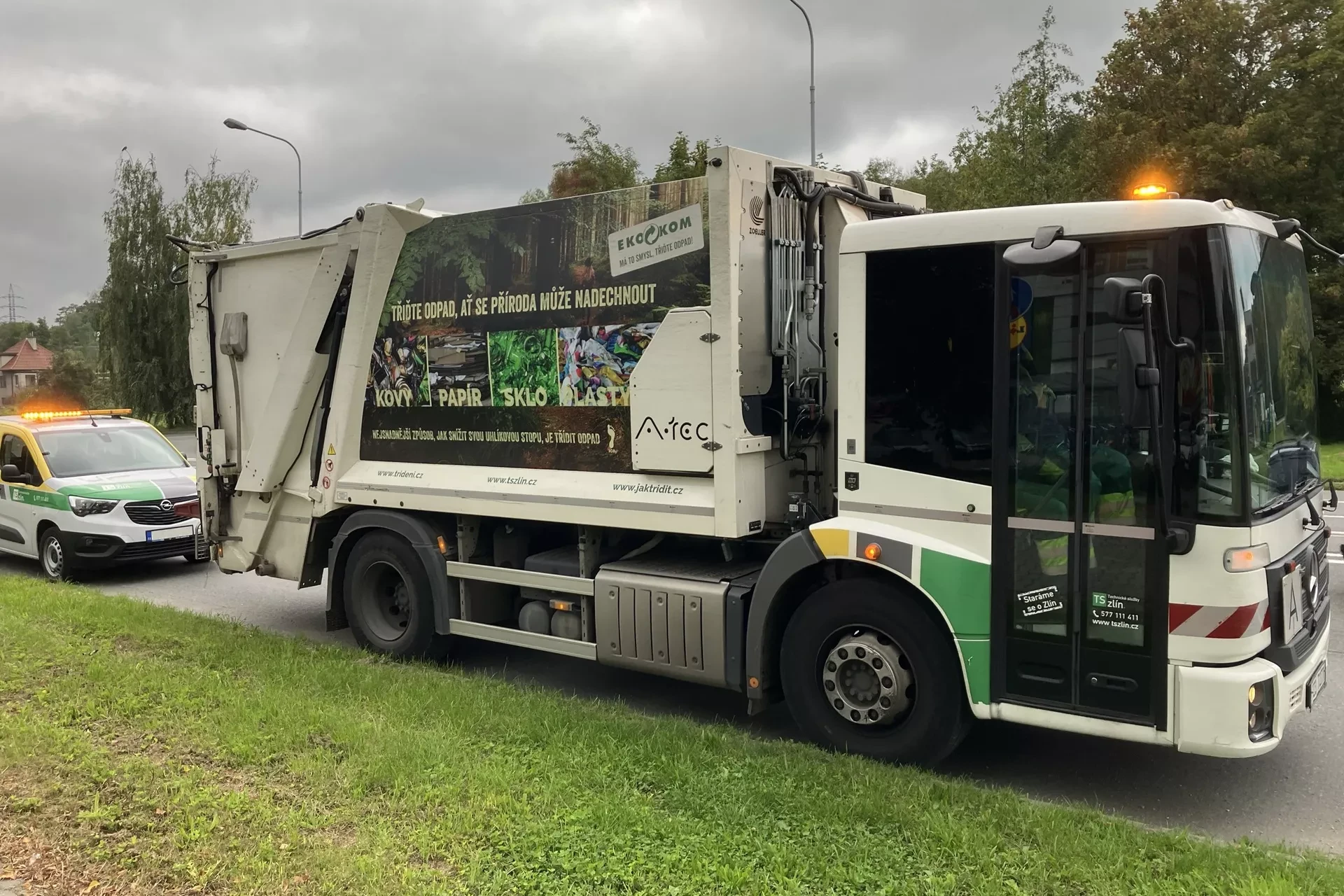
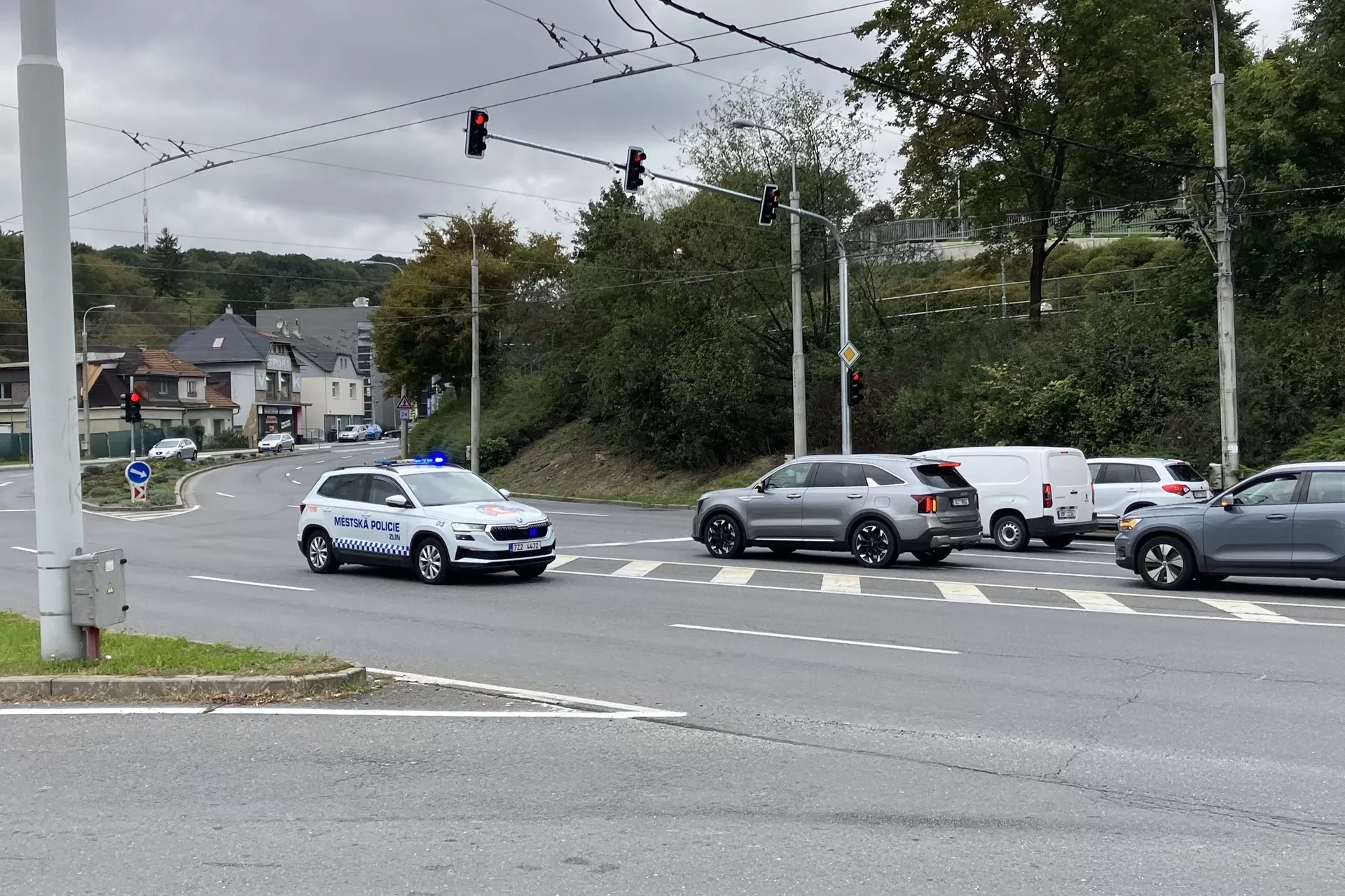
A number of important verification steps have already been taken within the project, confirming the system's readiness for full deployment. As part of the completion of the first (pilot) phase of the project, successful tests of IZS vehicle preference were carried out, verifying communication between OBU units, RSUs and traffic controllers, including the reliable transmission of SREM and SSEM messages. At the same time, the system's compatibility with commercial vehicles was tested – testing with Volkswagen cars confirmed the ability to receive and process their C-ITS messages in accordance with European C-ROADS standards. The correct reception and evaluation of DENM warning messages was also verified, for example in simulations of dangerous situations or interventions by emergency services. The final installation and configuration of RSU units at traffic light-controlled intersections throughout the city is currently underway, paving the way for the full commissioning of the system.